My Favotite









Endless Runner
View more










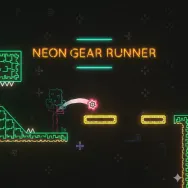
Neon Gear Runner: A Modern Take on Auto-Runner Platformers
Neon Gear Runner delivers a streamlined platform experience where movement is automated, but success depends entirely on player timing and control. Combining physics-based mechanics with minimalist design, the game challenges players to master jumps, mid-air acceleration, and wall interactions while navigating compact, increasingly complex levels.
Gameplay Mechanics
In Neon Gear Runner, movement is automatic, while players control key actions that influence trajectory and speed. Core inputs include jumping from the ground, triggering a single mid-air acceleration, and using walls to redirect movement. Each mechanic is timing-dependent, requiring precise input to maintain flow and avoid obstacles.
Objective
The main objective is to reach the end of each level, marked by a visible endpoint. Success depends on navigating platforms efficiently, maintaining momentum, and executing actions with accuracy.
Physics and Movement System
The game is built around a momentum-based physics system where timing directly affects performance. Jump height and acceleration strength are influenced by input timing, especially during airtime. Mid-air control allows slight adjustments to positioning, while wall interactions instantly change direction, adding dynamic movement options. Consistent rhythm and precise execution are essential for maintaining speed and progressing through levels effectively.
Controls
- Tap to jump when on the ground
- Tap again mid-air to accelerate
- Collide with walls to change direction
FAQs
How is Neon Gear Runner different from Geometry Dash Lite?
Neon Gear Runner focuses on physics-based movement and mid-air control, while Geometry Dash Lite relies on rhythm timing and memorized obstacle patterns.
Can I accelerate more than once?
No, acceleration is limited to once per jump cycle.
How do I change direction?
Direction changes automatically when hitting walls.
What is the "Pillar of Light"?
It marks the endpoint of each level and signals successful completion.
 Platform
 Comment (0)
Newest
NewestOldestPopular

Be the first to comment